Jacek Piorkowski: The Shocking Spectrum Studios Sauna Controversy and Its Impact on Gaming
The story behind an unusual workplace requirement, a public apology, and an important debate about professional boundaries in video game development.

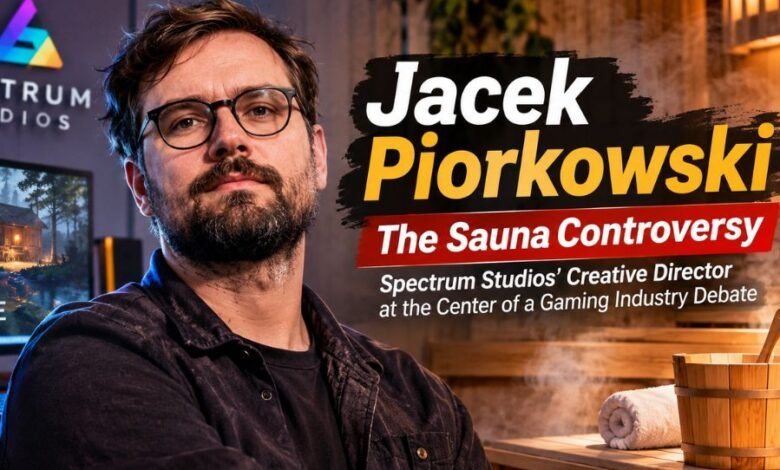
Jacek Piorkowski, also known as Jacek Piórkowski, is a Polish video game developer and the creative director associated with Spectrum Studios. He attracted international attention in June 2024 after a recruitment controversy involving compulsory sauna experiences for developers working on a sauna-themed video game.
What began as an unconventional approach to creative research developed into a wider discussion about workplace ethics, employee consent, recruitment practices, and professional boundaries. Piorkowski subsequently explained his intentions and apologized for his communication.
This article explores Jacek Piorkowski’s professional background, the Spectrum Studios controversy, his public response, and the broader lessons for the gaming industry.
Who Is Jacek Piorkowski?
Jacek Piorkowski is a Polish gaming professional associated with creative direction and video game production. Industry coverage has linked his early career to People Can Fly, a Polish studio recognized for international game development.
He became widely discussed as the creative director of Spectrum Studios, particularly after information about an unusual recruitment requirement circulated online.
Unlike established gaming personalities with extensive public biographies, independently verified details about Piorkowski’s personal life, education, age, and family remain limited. His professional activities provide a more reliable basis for understanding his public profile.
Jacek Piorkowski and Spectrum Studios
Spectrum Studios is a Polish game development operation associated with an ambitious narrative project. Its recruitment materials described a game combining storytelling, exploration, character development, and unusual gameplay mechanics.
The studio’s creative vision attracted attention because it placed considerable importance on firsthand experiences related to the game’s setting.
However, its recruitment approach later became the central subject of criticism.
The Origins of the Sauna Requirement
The controversy originated from the studio’s work on a video game involving sauna culture. According to recruitment materials reported in June 2024, participation in sauna sessions was considered essential to understanding the project.
Piorkowski believed developers could create more convincing environments and characters by experiencing the activities they intended to recreate digitally.
What Was Project Temple?
Project Temple was described as a narrative video game featuring a young woman named Birdie who moves to Warsaw following a difficult romantic experience.
The storyline involved her journey towards becoming a saunamaster, a person responsible for organizing and conducting sauna experiences.
Planned gameplay incorporated sensory and cultural elements, including music, scents, movement, and different sauna environments.
Why Did Piorkowski Consider Sauna Visits Important?
Piorkowski argued that firsthand research could improve storytelling and environmental authenticity.
Although experiential research is common in creative industries, requiring employees to participate in potentially uncomfortable activities introduces questions about personal choice.
The central disagreement concerned whether this research should be compulsory.
The Sauna Controversy: A Deep Dive Into the Industry Scandal
In June 2024, online discussions highlighted recruitment conversations involving Piorkowski and narrative designer Aleksandra Wolna.
Wolna explained that she had previously declined a potential position because she was concerned about sauna participation.
The disagreement attracted attention after screenshots of the exchanges circulated among gaming professionals.
Were Naked Sauna Sessions Mandatory?
This became the most disputed aspect of the controversy.
Recruitment materials described sauna attendance as non-negotiable, but did not explicitly state that nudity was compulsory.
Piorkowski subsequently maintained that employees were not required to be naked or attend sauna sessions alongside him.
Nevertheless, earlier comments about traditional sauna practices contributed to concerns about privacy and personal boundaries.
These distinctions are important when evaluating the incident accurately.
The Fallout and Gaming Industry Reaction
The recruitment dispute attracted criticism from developers and commentators who questioned whether such activities represented reasonable professional expectations.
The discussion extended beyond sauna culture to include employee autonomy, workplace power dynamics, and recruitment transparency.
Critics argued that a person’s willingness to participate in intimate or uncomfortable activities should not determine their professional suitability.
The Role of Social Media in Escalating the Controversy
LinkedIn discussions played a major role in bringing the situation to wider attention.
Industry figures, including developer Adrian Chmielarz, helped circulate the debate. Gaming publications subsequently reported on the recruitment conversations and studio policies.
The incident demonstrated how quickly employment-related discussions can become international news when professional conduct is questioned publicly.
Piorkowski’s Defense: A Misunderstood Vision?
Following the criticism, Piorkowski published a video statement explaining his position and apologizing to Aleksandra Wolna.
He acknowledged that his wording was inappropriate and that he had not communicated his intentions clearly.
He maintained that sauna experiences were meant to support creative research, not pressure employees into participating in sessions with their manager.
Piorkowski also said gender-specific sessions could be arranged and that he had begun consulting an HR specialist.
What Did His Apology Change?
The apology addressed his communication and acknowledged the concerns his comments raised.
However, it did not eliminate the underlying question: whether mandatory experiential activities are appropriate when employees have personal objections.
That distinction remained central to the wider debate.
Ethical Implications in Creative Workspaces
The Jacek Piorkowski sauna controversy illustrates an important challenge for creative businesses: balancing ambitious artistic ideas with employee welfare.
Developers frequently research unfamiliar environments, professions, and cultural practices. However, effective research doesn’t require every employee to experience every activity personally.
Alternative approaches include interviews, professional consultations, observation, documentaries, and voluntary research visits.
Employers can encourage authentic storytelling while respecting individual boundaries.
Meaningful consent also requires employees to feel comfortable declining an activity without fearing career consequences.
Impact on Spectrum Studios and the Game’s Future
The controversy brought considerable attention to Spectrum Studios, although that publicity focused primarily on recruitment practices rather than the game’s creative qualities.
The studio’s Project Temple concept remained notable for its unusual subject matter and emphasis on sauna culture.
However, the reporting reviewed does not confirm a public release date or a definitive commercial outcome.
It would therefore be inaccurate to describe the game as either successfully launched or canceled without further confirmation.
Moving Forward: Piorkowski’s Next Steps
Piorkowski’s public statement indicated an intention to communicate more carefully and seek professional HR guidance.
For creative directors, the incident highlights the importance of transparent recruitment policies and clear separation between workplace duties and personal activities.
A sustainable creative environment depends not only on original ideas but also on trust, professionalism, and respect.
Conclusion: Lessons Learned From the Jacek Piorkowski Controversy
The Jacek Piorkowski controversy became a significant example of how unconventional creative methods can generate serious workplace concerns.
His emphasis on firsthand research reflected a desire for authentic game development, but the recruitment dispute exposed disagreements about consent and professional expectations.
Although Piorkowski apologized and clarified his position, the broader discussion remains relevant to developers, employers, and job applicants.
Ultimately, creative ambition and workplace respect should complement each other, not compete.
Frequently Asked Questions
1. Who is Jacek Piorkowski?
Jacek Piorkowski is a Polish video game professional known for his association with Spectrum Studios and the sauna-related recruitment controversy reported in June 2024.
2. What is the Jacek Piorkowski sauna controversy?
It concerns mandatory sauna participation described in Spectrum Studios recruitment materials and subsequent concerns about nudity, employee consent, and professional boundaries.
3. Did Jacek Piorkowski apologize?
Yes. He released a public video statement in June 2024, apologizing to Aleksandra Wolna and acknowledging that his wording caused confusion and offense.
4. What game was Spectrum Studios developing?
Spectrum Studios was developing Project Temple, a narrative-focused game involving a young woman pursuing training as a saunamaster.
5. Was nudity compulsory at Spectrum Studios?
Piorkowski denied requiring employees to participate in nude sauna sessions. Published recruitment materials made sauna attendance compulsory but did not explicitly require nudity.