Robert Arnold: The Remarkable Life, Acting Career, and Marriage to June Brown
Discover the British actor behind PC Swain in Dixon of Dock Green, his distinguished theatre career, and his enduring family legacy.

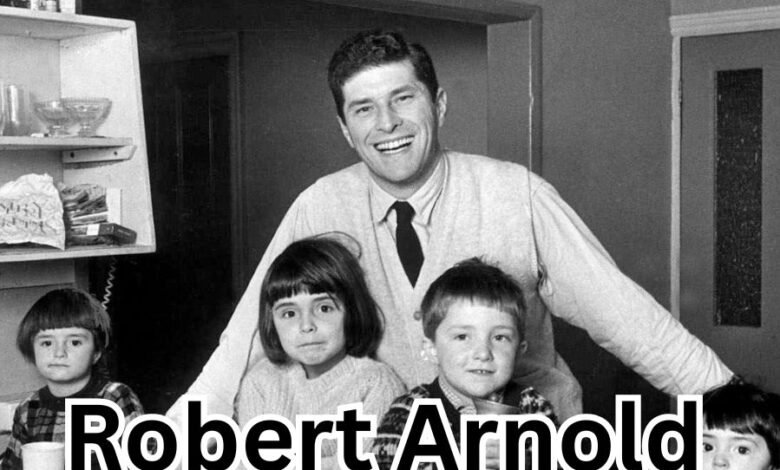
Robert Arnold was a talented British stage and television actor best remembered for playing PC Reginald Swain in the BBC police drama Dixon of Dock Green. He was also the second husband of legendary EastEnders actress June Brown, whose portrayal of Dot Cotton made her one of Britain’s most recognizable television personalities. Although his wife’s fame eventually overshadowed his career, Arnold established himself as a respected performer through classical theatre, television, and film.
His life combined professional achievement, family responsibilities, and a marriage that lasted almost 45 years.
This article explores Robert Arnold’s early life, professional training, memorable performances, marriage to June Brown, children, final years, and lasting contribution to British entertainment.
Quick Bio
| Detail | Information |
|---|---|
| Full Name | Robert Clive Cooper Arnold |
| Also Known As | Bob Arnold |
| Date of Birth | 26 June 1931 |
| Birthplace | Manston, Kent, England |
| Nationality | British |
| Profession | Stage, Film and Television Actor |
| Education | Royal Academy of Dramatic Art |
| Famous Role | PC Reginald Swain |
| Famous Television Series | Dixon of Dock Green |
| Wife | June Brown (1958–2003) |
| Children | Six, including one who died in infancy |
| Date of Death | 4 February 2003 |
| Age at Death | 71 years |
| Place of Death | Brighton, East Sussex, England |
| Known Health Condition | Lewy body dementia |
From Kent to the British Stage
Robert Clive Cooper Arnold was born on June 26, 1931, in Manston, Kent, England. His early life did not immediately suggest a future in professional acting.
He briefly entered the Royal Air Force, following his father’s example, but eventually decided against a military career. He also worked in journalism before turning his attention to theatre.
These experiences came before his formal dramatic education at the Royal Academy of Dramatic Art (RADA). The institution has trained numerous leading British performers and provided Arnold with a foundation in acting technique and stage performance.
His transition to professional theatre put him in contact with some of the most influential figures in twentieth-century British drama.
How Robert Arnold Built His Acting Career
Early Shakespearean Performances
Arnold made his professional stage debut as Young Siward in Shakespeare’s Macbeth at the Memorial Theatre in Stratford-upon-Avon, in a production featuring Laurence Olivier.
He subsequently performed in other Shakespearean productions, including As You Like It and Cymbeline. These early opportunities helped him build experience in classical drama and establish professional relationships in British theatre.
Work With Major Theatre Companies
Arnold’s theatrical career included associations with the Royal Shakespeare Company and the National Theatre.
In the 1980s, he worked at the National Theatre under director Peter Hall and appeared in productions of Antony and Cleopatra, Julius Caesar, The Tempest, The Winter’s Tale, and Cymbeline.
Memorable West End Productions
His stage credits also included King Lear, Ross, The Provok’d Wife, and Captain Brassbound’s Conversion.
In 1989–1990, he appeared as Solanio in The Merchant of Venice, in a Peter Hall production starring Dustin Hoffman.
These performances show that Arnold’s professional achievements extended well beyond the television role for which he became best known.
Dixon of Dock Green: His Best-Known Television Role
Robert Arnold achieved considerable television recognition through his portrayal of PC Reginald Swain in Dixon of Dock Green.
The BBC police drama, starring Jack Warner as George Dixon, was one of Britain’s longest-running television police series. It followed the professional responsibilities and personal experiences of officers working in a fictional London police station.
Arnold appeared as Swain between 1964 and 1971. During his time on the program, his character progressed from a uniformed police constable to a detective constable.
The character also developed outside police work, including a romantic storyline with policewoman Liz Harris, played by Zeph Gladstone.
Unlike later British crime dramas that emphasized violence and darker investigations, Dixon of Dock Green was best known for its community-focused portrayal of policing.
Arnold’s performance contributed to the program’s familiar ensemble and helped establish his reputation with television audiences.
Film Roles and Other Television Appearances
Although Dixon of Dock Green remained his most prominent television credit, Arnold appeared in several other productions.
His film work included the British war drama Sink the Bismarck! and Tunes of Glory, released in 1960.
He also appeared in television productions such as Armchair Theatre, General Hospital, and the science-fiction series Blake’s 7.
Another memorable appearance came in the comedy Fawlty Towers. Arnold played Arthur in the 1979 episode “The Anniversary”, which centers on Basil Fawlty’s attempts to conceal an argument with his wife from visiting friends.
His varied television credits reflected his ability to work across police dramas, comedy, science fiction, and traditional theatrical productions.
Robert Arnold and June Brown: A Marriage That Lasted Decades
One of the most significant chapters in Arnold’s personal life was his marriage to actress June Brown.
The pair met through theatre and married on April 5, 1958.
For Brown, the marriage followed the death of her first husband, actor John Garley, in 1957.
Arnold and Brown shared a professional understanding of acting, having both experienced the demands of stage productions, rehearsals, and unpredictable employment.
Their marriage continued through decades of changing personal and professional circumstances.
When June Brown joined EastEnders in 1985, her portrayal of Dot Cotton gradually brought her widespread public recognition. Arnold, however, remained relatively private despite his wife’s increasing fame.
They stayed married until his death in February 2003, just two months before their 45th wedding anniversary.
Their Six Children and Family Responsibilities
Robert Arnold and June Brown had six children together: Louise, Sophie, William, Naomi, and two daughters named Chloe.
Their first daughter, Louise, was born in 1958. The couple subsequently welcomed five more children within a relatively short period.
Tragically, one daughter, Chloe, died shortly after being born prematurely. The couple later named another daughter the same name.
Their five surviving children grew up as both parents navigated the practical and financial challenges of working in entertainment.
The family moved to Folkestone, Kent, in 1970, where Arnold continued working in regional theatre. They later returned to London.
Brown spoke publicly about the difficulties of supporting a family while acting opportunities were uncertain, particularly before her success on EastEnders.
The family’s experiences reveal an important dimension of Arnold’s life beyond his television work: he was a husband and father whose career unfolded alongside substantial domestic responsibilities.
His Later Years and Health Challenges
Robert Arnold’s later life was affected by Lewy body dementia, a progressive neurological condition associated with changes in thinking, movement, and behavior.
The illness created significant challenges during his final years.
Arnold died on February 4, 2003, in Brighton, East Sussex, England, at 71.
His death ended a marriage that had endured for nearly five decades.
June Brown never remarried. She continued her acting career and remained closely associated with EastEnders until her later years.
Brown died on April 3, 2022, at 95, nearly two decades after her husband.
Why His Contribution to British Entertainment Still Matters
Robert Arnold’s legacy rests on more than his connection to June Brown.
He belonged to a generation of actors whose careers moved between repertory theatre, Shakespearean productions, cinema, and television.
His extensive stage background reflected the importance of classical training in British acting, while his portrayal of PC Swain placed him within the history of early television police drama.
Although he never achieved the same level of celebrity as his wife, he remained committed to acting.
His performances remain part of British theatre and television history during a period of major cultural change.
Frequently Asked Questions About Robert Arnold
1. Who was Robert Arnold?
Robert Arnold was a British actor born on June 26, 1931. He was best known for playing PC Reginald Swain in Dixon of Dock Green and was the second husband of actress June Brown.
2. How long were Robert Arnold and June Brown married?
They married on April 5, 1958, and remained together until Arnold died on February 4, 2003. Their marriage lasted almost 45 years.
3. How many children did Robert Arnold have?
Robert Arnold and June Brown had six children. Their surviving children were Louise, Sophie, William, Chloe, and Naomi. Another daughter, also named Chloe, died in infancy.
4. What television programs did Robert Arnold appear in?
His television credits included Dixon of Dock Green, Fawlty Towers, Blake’s 7, Armchair Theatre, and General Hospital. His most recognizable role was PC Reginald Swain.
5. When and how did Robert Arnold die?
Robert Arnold died on February 4, 2003, in Brighton, East Sussex, aged 71. He had been living with Lewy body dementia during his final years.
Conclusion: Remembering Robert Arnold
Robert Arnold deserves recognition as a committed British actor whose career spanned classical theatre, television drama, and cinema. From his Shakespearean performances to his familiar role in Dixon of Dock Green, he contributed to several important chapters of British entertainment history.
His long marriage to June Brown remains an equally significant part of his biography, but it should not overshadow his individual professional achievements. Robert Arnold’s legacy is that of a versatile performer, a dedicated family man, and an actor whose work helped shape a memorable era of British television.