Pravi Celer: Discover the Amazing Benefits, Meaning, Nutrition, and Everyday Uses
Explore the origins of true celery, its nutritional value, different varieties, cooking possibilities, and practical ways to enjoy this versatile vegetable.

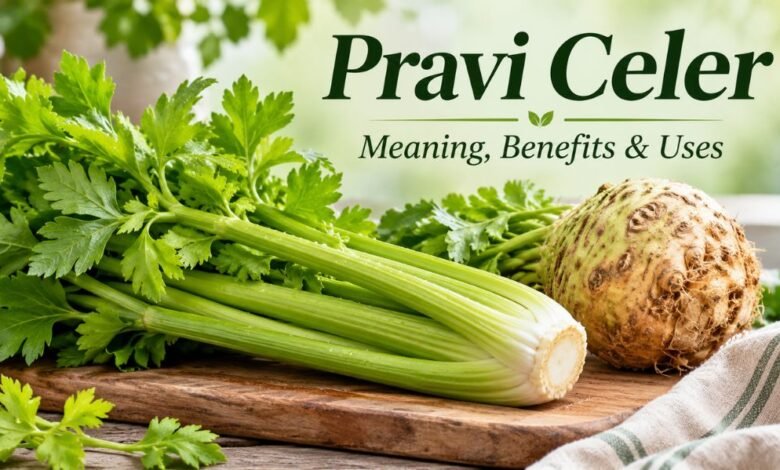
Pravi Celer is a traditional name associated with celery, a familiar green vegetable valued for its refreshing taste, distinctive aroma, and versatility in cooking. The expression comes from South Slavic language usage and generally translates to “true celery” or “real celery.” Although the name may sound unfamiliar, it refers to the well-known plant scientifically identified as Apium graveolens.
Celery has a long history in European cooking, especially in soups, vegetable stocks, salads, and hearty homemade dishes. Its edible stalks, leaves, and cultivated root forms provide different flavors and textures.
This article explores the meaning of Pravi Celer, its botanical identity, nutritional qualities, culinary uses, growing requirements, and key facts for everyday consumers.
What Is Pravi Celer?
Pravi Celer is a common Croatian name recorded for Apium graveolens, the botanical species commonly known as celery. It belongs to the Apiaceae family, which also includes carrots, parsley, fennel, and parsnips.
The expression combines two words: “pravi,” meaning genuine, and “celer,” meaning celery. It is a descriptive name rather than the official scientific designation of a separate vegetable species.
Some online descriptions suggest that Pravi Celer is an unusual superfood or a special variety with exceptional properties. However, established botanical classifications do not identify it as a newly discovered species.
Understanding this difference helps consumers recognize the plant without confusing regional terminology with scientific classification.
The Botanical Origins of Pravi Celer
The species Apium graveolens occurs naturally across parts of Europe, North Africa, and Western Asia. Wild celery typically grows in damp environments, including coastal areas, wetlands, and locations near water.
Through cultivation, growers have developed different forms selected for particular edible characteristics.
Three Common Forms of Celery
Stalk Celery: Recognized for its long, crunchy, pale-green or green leaf stalks, this variety is commonly eaten raw or cooked.
Leaf Celery: Grown primarily for its aromatic leaves and thinner stalks, it adds a stronger herbal flavor to soups and seasonings.
Celeriac: Also called celery root, this cultivated form develops a large, rounded, swollen stem base. It is frequently prepared in soups, purées, roasted dishes, and salads.
Is Pravi Celer the Same as Celeriac?
Not exactly. Pravi Celer is recorded as a common name for the broader celery species, while celeriac refers to a particular cultivated form.
Both share the same botanical background, but their edible structures, appearance, and culinary applications differ.
Nutritional Value of Pravi Celer
Celery is naturally high in water and relatively low in calories. Its nutritional profile makes it a useful addition to meals that emphasize vegetables, variety, and balanced eating.
Important Vitamins and Minerals
Celery contains several nutrients that support normal body functions.
- Vitamin K: Contributes to normal blood clotting and bone maintenance.
- Potassium: Supports normal muscle function and helps maintain healthy blood pressure.
- Folate: Plays a role in cell division and the formation of genetic material.
- Dietary Fiber: Supports digestive function and regular bowel movements.
- Vitamin C: Contributes to normal immune function and helps protect cells from oxidative stress.
Celery also contains naturally occurring plant compounds, including flavonoids and other antioxidants.
Its precise nutritional content varies depending on the cultivated form, serving size, freshness, and preparation method.
Potential Health Benefits of Pravi Celer
Supports Hydration
Raw celery contains approximately 95% water. Eating water-rich vegetables can support overall fluid intake, especially when paired with adequate drinking water.
Its refreshing texture makes celery a convenient ingredient in salads and light meals.
Contributes to Digestive Health
The dietary fiber in celery supports normal digestive function. Although celery is not a particularly concentrated source of fiber, it can help increase overall vegetable intake.
Eating whole celery generally retains more fiber than drinking strained celery juice.
Fits Into Heart-Conscious Eating
Celery provides potassium and contains little saturated fat. These characteristics make it a useful vegetable within a balanced eating pattern that includes fruits, vegetables, whole grains, and appropriate protein sources.
However, eating celery alone cannot prevent or treat cardiovascular disease.
Offers a Low-Calorie Food Option
Celery’s high water content and crisp texture make it useful for snacks and vegetable-based meals.
It can replace some higher-calorie ingredients when appropriate, although maintaining healthy body weight depends on overall nutrition, physical activity, and individual circumstances.
How Pravi Celer Is Used in Traditional Cooking
Celery contributes a recognizable savory, mildly bitter, and herbal flavor to many recipes. Its taste softens and becomes more rounded after cooking.
Soups and Vegetable Stocks
Celery is frequently combined with onions and carrots to build a flavorful foundation for soups, sauces, and stocks.
Its aromatic compounds help create depth without requiring complicated ingredients.
Fresh Salads and Side Dishes
Finely chopped celery stalks add crunch to salads containing apples, carrots, beans, or leafy vegetables.
You can also peel and grate celeriac into salads, often combined with lemon juice or a creamy dressing.
Roasted and Mashed Celeriac
Celeriac becomes tender when cooked. Its mild, earthy flavor makes it suitable for roasting, mashing, or blending into vegetable purées.
Creative Everyday Uses
Simple Ways to Include More Celery
Try adding chopped stalks to vegetable rice, mixing finely sliced celery into sandwich fillings, or using its leaves to season homemade broth.
These simple preparations allow the vegetable’s natural flavor to complement other ingredients.
How to Choose and Store Fresh Celeriac
Fresh stalk celery should feel firm and crisp, with healthy-looking leaves and no obvious signs of sliminess or decay.
When selecting celeriac, look for a firm, heavy bulb with no significant soft or rotten areas.
Store stalk celery in the refrigerator, preferably protected from drying out. Keep it away from excess moisture, which can encourage spoilage.
Celeriac can also be refrigerated. If cut, cover exposed surfaces and use the remaining portion promptly.
Wash celery thoroughly under running water before preparation, paying attention to dirt trapped near the base of the stalks.
Growing Pravi Celery at Home
Celery grows best in fertile, moisture-retentive soil with sufficient sunlight and consistent watering.
The plant originated in naturally damp environments, so prolonged dry conditions can negatively affect growth and stalk quality.
Basic Growing Requirements
- Choose a location with suitable sunlight and protection from extreme heat.
- Keep soil consistently moist without waterlogging.
- Add organic matter to improve soil structure.
- Allow adequate spacing between developing plants.
- Monitor leaves for pests and signs of disease.
Celeriac generally requires a longer growing period than many common salad vegetables. Gardeners should choose varieties suited to the local climate and growing season.
Important Precautions and Common Misconceptions
Although celery is safe for most people, it can cause allergic reactions in susceptible individuals.
Celery is recognized as a regulated food allergen in the United Kingdom and European Union. People with a diagnosed allergy must avoid relevant celery ingredients, which can include stalks, leaves, seeds, and celeriac.
Individuals taking warfarin should maintain a consistent vitamin K intake and discuss major dietary changes with their healthcare professional.
Claims that celery juice cures serious diseases or eliminates toxins from the body are not supported by reliable clinical evidence. The liver and kidneys naturally perform essential waste-processing functions.
Frequently Asked Questions About Pravi Celer
1. What does Pravi Celer mean in English?
Pravi Celer generally translates to “true celery” or “real celery.” It is a Croatian common name associated with Apium graveolens, the familiar celery species used in cooking.
2. Is Pravi Celer different from regular celery?
No separate botanical species is established under this name. The term refers to celery, although specific recipes may use its stalk, leaves, or celeriac.
3. Can Pravi Celer be eaten raw?
Yes. You can eat celery stalks and leaves raw after thorough washing. Celeriac can also be eaten raw when properly peeled and prepared, such as in grated salads.
4. Is Pravi Celer good for everyday consumption?
Celery can be part of a balanced diet. It provides water, fiber, and several vitamins and minerals. People with celery allergies should avoid it.
5. What is the best way to cook Pravi Celer?
The best method depends on the plant’s form. Stalks work well in soups, stir-fries, and sauces, while celeriac is particularly suitable for roasting, mashing, and preparing vegetable purées.
Conclusion
Pravi Celer represents a familiar vegetable with a meaningful regional name, a well-established botanical identity, and a wide range of practical uses.
Rather than being a mysterious new superfood, it is associated with Apium graveolens, whose cultivated forms include stalk celery, leaf celery, and celeriac.
Its refreshing flavor, water content, nutrients, and culinary versatility make it a worthwhile everyday ingredient. Understanding its different forms helps consumers select, prepare, and enjoy celery with greater confidence.
Ultimately, Pravi Celer’s value lies in its simplicity: a traditional, versatile vegetable that adds flavor, freshness, and variety to a balanced diet.