Viru S.A.: The Remarkable Growth of Peru’s Global Agroindustrial Export Leader
Discover how a Peruvian agricultural business grew into an international food producer through innovative processing, product diversification, and global export operations.

Introduction
Viru S.A. is a prominent Peruvian agroindustrial company recognized for producing, processing, and exporting fruits, vegetables, and value-added food products. Established in 1994, the business has grown from an agricultural operation into a key participant in international food supply chains.
Based in Peru’s La Libertad region, the company specializes in preserved vegetables, frozen produce, and fresh agricultural products. Its growth reflects the expanding importance of Peruvian agriculture in global markets.
Through agricultural production, modern processing facilities, international distribution, and product development, Viru S.A. has built a business that connects Peru’s farming industry with customers worldwide.
What Is Viru S.A.?
Viru S.A. is a privately held agricultural and food-processing company operating in Peru. Its core business involves cultivating agricultural products, processing them into different food formats, and supplying domestic and international customers.
The company is associated with Grupo Viru, an international food business with operations spanning agricultural production, industrial processing, and distribution.
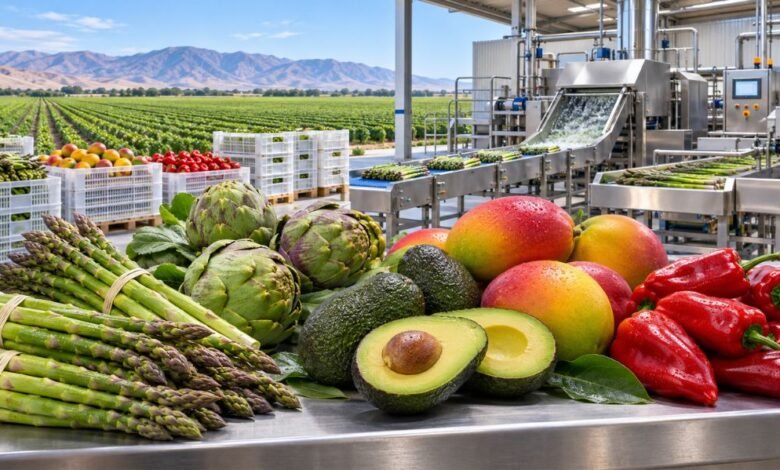
Its main agricultural products include:
- Asparagus
- Artichokes
- Piquillo peppers
- Mangoes
- Avocados
- Blueberries
- Hearts of palm
- Quinoa
These products serve different food industry segments, including retail distribution, food manufacturing, hospitality, and commercial food services.
The company combines agricultural production with food processing to deliver products in fresh, preserved, and frozen formats.
How Viru S.A. Developed Its Agricultural Business
The Beginning in 1994
According to the Peruvian Exporters Association’s business directory, Viru began operating in 1994. Its development took place during a period when Peru’s agricultural export industry was expanding its access to international markets.
The company established operations in the northern coastal region, an important area for commercial agriculture.
Agricultural development in the region has benefited from irrigation infrastructure, including the Chavimochic irrigation project, which has supported farming in parts of La Libertad.
Viru’s early development focused on agricultural production and processing vegetables for commercial distribution.
Expansion Into International Markets
The ADEX directory records 2002 as the beginning of the company’s export activities.
International expansion created opportunities to supply customers that required preserved vegetables and other agricultural products.
As operations developed, the business expanded its product portfolio and established commercial relationships beyond Peru.
The wider Viru Group now operates through an international business structure that includes European subsidiaries in Spain, France, and Italy.
This international presence allows the group to serve multiple markets while maintaining agricultural and processing operations in Peru.
What Products Does Viru S.A. Produce?
One of the company’s defining characteristics is its diverse food portfolio. Rather than focusing on a single crop, Viru supplies products across several categories.
Preserved Vegetables and Prepared Foods
Preserved products represent an important part of the company’s commercial activities.
Its offerings include canned and jarred asparagus, artichokes, piquillo peppers, hearts of palm, sauces, and prepared vegetable products.
Preservation techniques help extend shelf life and allow agricultural products to be distributed across international markets without requiring the same handling conditions as fresh produce.
Prepared vegetable products also serve consumers seeking convenient ingredients for home cooking and professional kitchens.
Frozen Fruits and Vegetables
The wider Viru Group produces frozen agricultural products using individual quick freezing, commonly known as IQF technology.
This method freezes individual pieces of food separately, making them easier to portion and handle.
Frozen agricultural products are useful for retailers, restaurants, food manufacturers, and distributors that need consistent availability beyond traditional harvesting seasons.
Freezing also provides an alternative to distributing highly perishable agricultural goods exclusively in fresh form.
Fresh Agricultural Produce
Fresh products form another significant part of the group’s business.
Its product range includes avocados, asparagus, and blueberries.
Fresh produce requires careful harvesting, grading, packaging, and temperature management to protect quality during transportation.
For international customers, efficient handling is particularly important because products may travel long distances before reaching supermarkets or food-service businesses.
How Viru S.A. Manages Production and Quality
Integrated Agricultural and Industrial Operations
Viru Group describes its business model as vertically integrated.
This means that agricultural production and industrial processing are connected within its broader operational structure.
The group reports that some processing facilities are located close to agricultural fields, helping coordinate harvesting and manufacturing.
Such integration can improve the movement of agricultural products through different stages of production.
It also supports traceability, allowing companies to monitor how products move from cultivation through processing and distribution.
Food Safety and Processing Standards
Food safety is essential for businesses exporting agricultural products internationally.
Viru’s listings in Peruvian export directories identify certifications and food safety systems associated with its operations, including HACCP, BRC, organic certifications, and GLOBALG.A.P.
These standards address different areas, including food safety management, agricultural practices, and production requirements.
Certification coverage and validity may differ by facility and product category. Buyers should therefore confirm the current certification applicable to a particular product or manufacturing site.
Maintaining appropriate quality controls is especially important when selling products to markets with different regulatory requirements.
Viru S.A. and Its International Export Network
International trade has played an important role in the company’s development.
Peruvian trade directories identify the United States and several European countries, including France, Spain, Germany, and the United Kingdom, among its principal markets.
The wider Viru Group states that it distributes products to more than 50 countries across five continents.
Its international activities include supplying businesses that require agricultural ingredients and finished food products.
Why International Distribution Matters
Exporting food involves more than shipping produce from one country to another.
Suppliers must coordinate packaging, product specifications, customs documentation, storage requirements, and delivery schedules.
Different customers may also require particular sizes, packaging formats, or food preparation methods.
A diversified product portfolio helps agricultural businesses meet varying commercial needs while participating in multiple food market segments.
For Viru, fresh produce, frozen foods, and preserved products create distinct opportunities within global supply chains.
Sustainability and Responsible Agricultural Development
Sustainability has become a central issue in agricultural production, particularly where irrigation, energy use, packaging, and industrial processing are involved.
Viru Group publicly identifies environmental and social sustainability among its business priorities.
Its stated initiatives include improving resource efficiency, investing in technology, and aligning activities with several United Nations Sustainable Development Goals.
The company also reports using Global Reporting Initiative standards to communicate information about its economic, environmental, and social impacts.
Water and Agricultural Resource Management
Water management is especially relevant to agriculture in Peru’s coastal regions.
Efficient irrigation, responsible resource planning, and appropriate agricultural technologies can influence long-term production sustainability.
The company’s environmental management is also subject to regulatory processes.
For example, Peru’s Ministry of Production approved an update to the environmental management plan for its agroindustrial facility in Virú in October 2024.
Such regulatory documentation provides information about environmental oversight, although approval alone does not establish the outcome of every sustainability initiative.
Employment and Economic Contribution
Agroindustrial businesses contribute to local economies through agricultural employment, processing operations, logistics, and international commerce.
Viru’s activities involve workers across production, manufacturing, administration, quality management, and distribution.
The company’s ADEX profile has historically described a workforce of more than 12,000 people, while the wider group’s corporate website reports more than 19,000 employees.
These figures reflect different reporting contexts and should not be treated as identical measures of the same business entity.
The broader group also reports more than 15,000 hectares of cultivation and 11 production plants.
Its scale illustrates how agricultural businesses can connect regional farming activity with international food markets.
What Makes Viru S.A. Significant in Peru’s Food Industry?
Viru’s importance comes from the combination of its agricultural base, food-processing capabilities, and international commercial reach.
Its operations demonstrate several characteristics of modern agroindustrial development: diversification, investment in processing technology, international market access, and supply chain integration.
By offering products in fresh, frozen, and preserved formats, the company can serve customers with different storage, preparation, and distribution requirements.
Its story also reflects Peru’s broader emergence as an international supplier of agricultural products.
The company’s future development will depend on maintaining product quality, responding to changing market demand, managing environmental pressures, and strengthening operational efficiency.
Frequently Asked Questions About Viru S.A.
1. What is Viru S.A. known for?
Viru S.A. is known for producing and exporting Peruvian agricultural products, particularly processed vegetables, preserved foods, and products associated with the wider group’s fresh and frozen food operations.
2. Where is Viru S.A. located?
The company’s registered business information identifies its location at Carretera Panamericana Norte, Kilometer 521, in Virú, La Libertad, Peru. The wider group also operates internationally.
3. When was Viru S.A. established?
According to ADEX’s company directory, Viru began operations in 1994 and started exporting in 2002.
4. Which products does Viru S.A. export?
Its product portfolio includes asparagus, artichokes, piquillo peppers, quinoa, mangoes, hearts of palm, avocados, and blueberries. Product formats include preserved, fresh, and frozen foods, depending on the business line.
5. Does Viru S.A. operate outside Peru?
Yes. The wider Viru Group has subsidiaries in Spain, France, and Italy, and describes an international distribution network serving customers across more than 50 countries.
Conclusion
Viru S.A. represents an established part of Peru’s agroindustrial sector, combining agricultural production with food processing and international trade.
Since beginning operations in 1994, the company has developed a diversified portfolio that includes vegetables, fruits, preserved foods, and products serving global food supply chains.
Its association with the wider Viru Group gives it access to an international commercial network and a broader range of agricultural and manufacturing capabilities.
As international demand for reliable food supplies continues to evolve, Viru S.A.’s long-term relevance will rest on production standards, sustainable resource management, and its ability to meet changing customer needs.