Door Latch Latch: Essential Guide to Types, Installation, Repairs, and Security
Discover how door latch mechanisms work, how to choose reliable hardware, and practical ways to fix common door-closing problems.

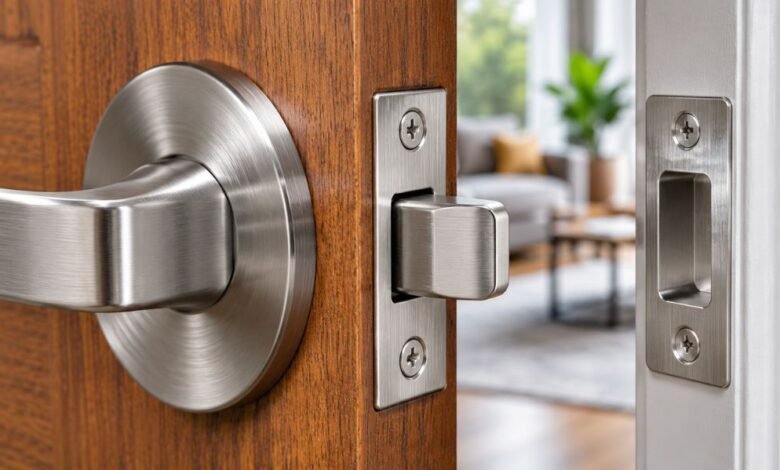
A Door Latch Latch is a search term often used when looking for door latch hardware, replacement parts, or solutions to a door that will not close properly. Although a door latch may seem like a small component, it plays an essential role in everyday convenience, privacy, and security. From residential bedrooms to busy commercial spaces, the correct mechanism helps doors close smoothly and remain securely fastened. Understanding the differences between latch types, installation requirements, and maintenance methods makes choosing suitable door hardware considerably easier.
This article explains common door latch mechanisms, their functions, installation considerations, troubleshooting methods, and key features to check before buying replacement hardware.
What Is a Door Latch Latch?
A door latch is a mechanical or magnetic device that keeps a door closed until someone intentionally releases it.
Most conventional door latches operate using a spring-loaded bolt. When the door closes, the angled latch bolt contacts the strike plate, retracts into the door, and extends into the door-frame opening.
Turning the handle or operating the release mechanism retracts the bolt, allowing the door to open.
A typical latch assembly includes several components:
- Latch bolt: The projecting component that engages with the strike plate.
- Strike plate: A metal fitting mounted on the door frame.
- Latch housing: The assembly containing the working mechanism.
- Spring mechanism: Provides the force that returns a spring latch to its extended position.
- Spindle or actuator: Transfers movement from the handle to the latch mechanism.
The exact arrangement varies by hardware design.
Different Types of Door Latches
Not every door requires the same closing mechanism. The right design depends on its purpose, installation location, and security requirements.
Tubular Door Latches
Tubular latches are commonly installed in residential interior doors.
Their compact mechanisms fit into a cylindrical hole drilled into the door edge. They are frequently paired with lever handles or knobs.
They work particularly well for bedrooms, living rooms, and other spaces where convenient operation is the main priority.
Mortise Door Latches
Mortise latches fit inside a prepared recess in the door.
They are frequently used with mortise locksets, which may combine a latch and locking mechanism inside a larger case.
These assemblies are available in various configurations for residential and commercial applications.
Roller Latches
Roller latches use a spring-loaded roller that engages with a receiving plate or recess.
They suit certain doors that need a holding mechanism without conventional handle operation.
However, they generally should not be treated as substitutes for dedicated security locks.
Magnetic Door Latches
Magnetic latches use magnetic attraction to help hold a door or panel closed.
They are especially common on cabinets, lightweight interior panels, and selected specialty doors.
Their effectiveness depends on the specific design, installation, and door weight.
Sliding Bolt Latches
Sliding bolts operate through a manually moved metal bolt that enters a keeper or receiving bracket.
They are commonly fitted to gates, sheds, and certain utility doors.
Their suitability for security depends on the hardware, mounting arrangement, and accessibility.
Why Door Latch Quality Matters
A reliable latch does more than keep a door closed.
Smooth Daily Operation
A properly installed latch lets the door close without excessive force.
Poorly manufactured or misaligned hardware can result in sticking, rattling, and unnecessary wear.
Privacy and Security
Interior privacy latches help control access to bathrooms and bedrooms.
Exterior entrance doors require stronger security measures. A conventional spring latch alone may not provide sufficient protection against forced entry.
Hardware Durability
Latch components experience repeated mechanical movement.
Appropriate materials, suitable construction, and proper installation can help limit premature wear.
Common finishes include stainless steel, polished chrome, satin nickel, and brass-toned finishes.
Don’t confuse a decorative finish with the underlying material or its corrosion resistance.
How to Choose the Right Door Latch Latch
Several measurements and operating requirements should be checked before purchasing a replacement.
Measure the Backset
Backset refers to the distance from the door edge to the center of the handle spindle or lock cylinder, depending on the hardware arrangement.
In many North American residential locksets, common backsets are 2⅜ inches and 2¾ inches.
Other regions and hardware systems use different measurements, so always confirm compatibility.
Check Door Thickness
Door hardware is manufactured for specified thickness ranges.
A latch or lockset intended for a thin interior door may not fit a thicker exterior door without compatible components.
Identify the Door Function
Different rooms require different hardware functions.
- Passage: Allows a door to latch without locking.
- Privacy: Provides locking functionality for bathrooms or bedrooms.
- Entry: Combines latching with an appropriate locking arrangement.
- Utility: May require specialized bolts or heavy-duty hardware.
Consider Material and Environment
For outdoor installations, examine the manufacturer’s corrosion-resistance specifications.
Coastal and persistently damp environments can accelerate deterioration of unsuitable metal components.
Installing a Door Latch Correctly
Installation methods vary by product, but many conventional replacement latches follow a similar sequence.
- Inspect the existing hardware. Identify the latch type, backset, faceplate dimensions, and handle compatibility.
- Remove the old assembly. Unscrew the faceplate and withdraw the latch after removing any necessary handle components.
- Compare the replacement. Confirm its dimensions and latch orientation.
- Position the new latch. Insert it into the prepared door opening according to the manufacturer’s instructions.
- Secure the components. Tighten the mounting screws without overtightening them.
- Test the door. Operate the handle repeatedly and verify that the bolt engages the strike plate properly.
Some latch bolts can be reversed for different door-handing configurations, but not all models support this adjustment.
Fire-rated and specialized security doors may require approved hardware and qualified installation.
Common Door Latch Problems and Solutions
Even dependable hardware can develop problems after extended use.
The Door Will Not Latch
A door that closes but won’t stay shut may have a misaligned strike plate or sagging hinges.
Inspect the relationship between the latch bolt and the strike opening.
Correcting loose hinges or minor alignment problems may restore normal operation.
The Latch Bolt Gets Stuck
A sticking bolt may result from accumulated debris, mechanical wear, damaged springs, or pressure on the latch mechanism.
Clean accessible components and use only manufacturer-recommended lubricant.
Replace the latch if its internal mechanism is damaged.
The Door Handle Feels Loose
Loose mounting screws or worn handle components may prevent reliable operation.
Check the hardware attachment and confirm that the spindle properly engages the latch.
The Door Rattles When Closed
Rattling may indicate excess clearance between the closed door and its frame.
Inspect the strike plate, door stop, and weatherstripping where applicable.
Avoid modifications that prevent the latch bolt from fully engaging.
Simple Maintenance for Longer Service Life
Routine inspection helps identify developing problems before a latch stops working.
Clean exposed hardware using a soft cloth and a cleaning product compatible with its finish.
Check screws periodically and observe whether the door closes smoothly.
Avoid repeatedly slamming doors, as excessive impact can damage hardware and door-frame components.
If a latch becomes difficult to operate, inspect alignment before assuming the mechanism itself has failed.
For exterior doors, periodically examine the strike plate and surrounding frame for damage.
Five Frequently Asked Questions About Door Latch Latch
1. What is the difference between a door latch and a door lock?
A latch primarily keeps a door closed, while a lock restricts unauthorized opening. Some locksets combine both functions within one assembly.
2. Can I replace a door latch without replacing the handle?
Yes, in many cases. However, the new latch must match the existing handle, spindle, backset, and door preparation.
3. Why does my door latch not catch properly?
Common causes include a misaligned strike plate, loose hinges, door movement, or worn latch components. Inspect the door’s alignment and hardware before making adjustments.
4. Are magnetic door latches suitable for exterior doors?
Ordinary magnetic catches are generally designed for cabinets or selected interior applications. Exterior security doors require appropriately rated locking hardware.
5. How do I know when a door latch needs replacement?
Persistent sticking, broken springs, visible damage, or failure to extend and retract correctly can indicate the need for replacement. First eliminate alignment and installation problems.
Conclusion
Choosing the right door latch hardware starts with understanding the door’s purpose, dimensions, and operating requirements. Tubular latches work well for many interior doors, while specialized mechanisms serve different applications.
Careful measurement, correct installation, and occasional maintenance can improve reliability and reduce unwanted door-closing problems.
For doors where security, fire protection, or accessibility matters, always select hardware that meets the relevant requirements rather than relying solely on appearance or price.